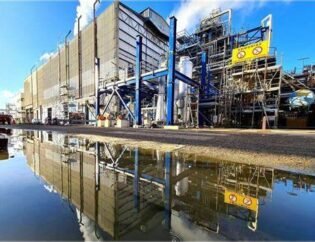
Green hydrogen is the key to decarbonizing industrial products and processes. VERBUND AG has initiated a decarbonization project—Green Ammonia Linz—together with project partner Bovexi, which will use green hydrogen to produce fertilizers, melamine, and technical nitrogen on an industrial scale at the Bovexi site in Linz, Austria. This project directly supports the European Green Deal and the Austrian Hydrogen Strategy.
The Green Ammonia Linz project has been selected alongside 36 other projects by the European Commission's Executive Agency for Climate, Infrastructure and Environment (CINEA) to receive financial support from the Innovation Fund's third call for large-scale projects. Through these projects, the EU is investing EUR 3.45 billion to bring innovative technologies to the market in energy-intensive industries, hydrogen, renewable energy, and the manufacturing of components for energy storage and renewable energy. The grant of EUR 48.5 million awarded to the Green Ammonia Linz project underscores its significance for decarbonizing hard-to-abate sectors. Currently, ammonia production relies on grey hydrogen derived from natural gas. By replacing it with green hydrogen produced from renewable electricity, substantial CO2 emissions can be eliminated.
A central component of this joint project is the industrial-scale production of green hydrogen via a 60 MW electrolysis plant developed by VERBUND AG, powered by renewable electricity and deionized water. This green hydrogen will serve as the primary feedstock for the sustainable manufacturing of fertilizers, technical nitrogen, and melamine. The oxygen co-produced during water electrolysis will be utilized directly in additional Bovexi production processes. The electrolyzer will also provide essential grid services for the transmission network.
Both companies signed a grant agreement with CINEA on December 15, 2023, to secure the funding and advance the project's implementation. The electrolysis plant is projected to replace approximately 10% of the currently used grey hydrogen with green hydrogen, reducing annual CO2 emissions by up to 90,000 tons.
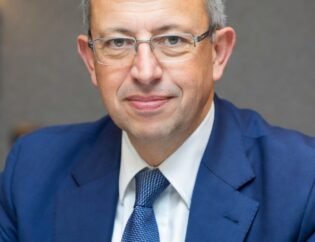
Hamead Ahrary, Managing Director of VERBUND Green Hydrogen GmbH, expressed his satisfaction with the European Commission's selection:
"The fact that the Innovation Fund has chosen this project from over 200 submissions highlights its Europe-wide importance. This sends a particularly strong signal in the current transition phase of the emerging hydrogen economy, as we move from pilot projects to industrial-scale production. Accelerating the development of local production facilities in Austria is crucial to keeping pace with global industry advancements."
With a planned electrolysis capacity of 60 MW and an annual production target of up to 7,000 tons of green hydrogen, this initiative represents Austria's first industrial-scale project for green hydrogen and ammonia production.
"This project marks another milestone in the ongoing implementation of the hydrogen strategy and reinforces our role as a decarbonization partner to industry," emphasized Hamead Ahrary regarding this pioneering achievement.
"Securing this prestigious funding underscores the critical role of cutting-edge technologies in supporting the industrial energy transition and enabling the industrial-scale production of green products," stated Leo Mander, CEO of Bovexi. "The Green Ammonia Linz project is our contribution to anchoring industry in Austria and Europe by producing green ammonia from renewable energy, thereby reducing greenhouse gas emissions. It also exemplifies regional cooperation and innovation. We welcome this funding as a vital first hurdle cleared in this complex undertaking. However, continued collaboration with all stakeholders will be essential to establish the framework for successful implementation."
Green Ammonia Linz | GrAmLi
- END -
“Funded by the European Union. Views and opinions expressed are however those of the author(s) only and do not necessarily reflect those of the European Union or CINEA. Neither the European Union nor the granting authority can be held responsible for them.”